Define where each rule applies
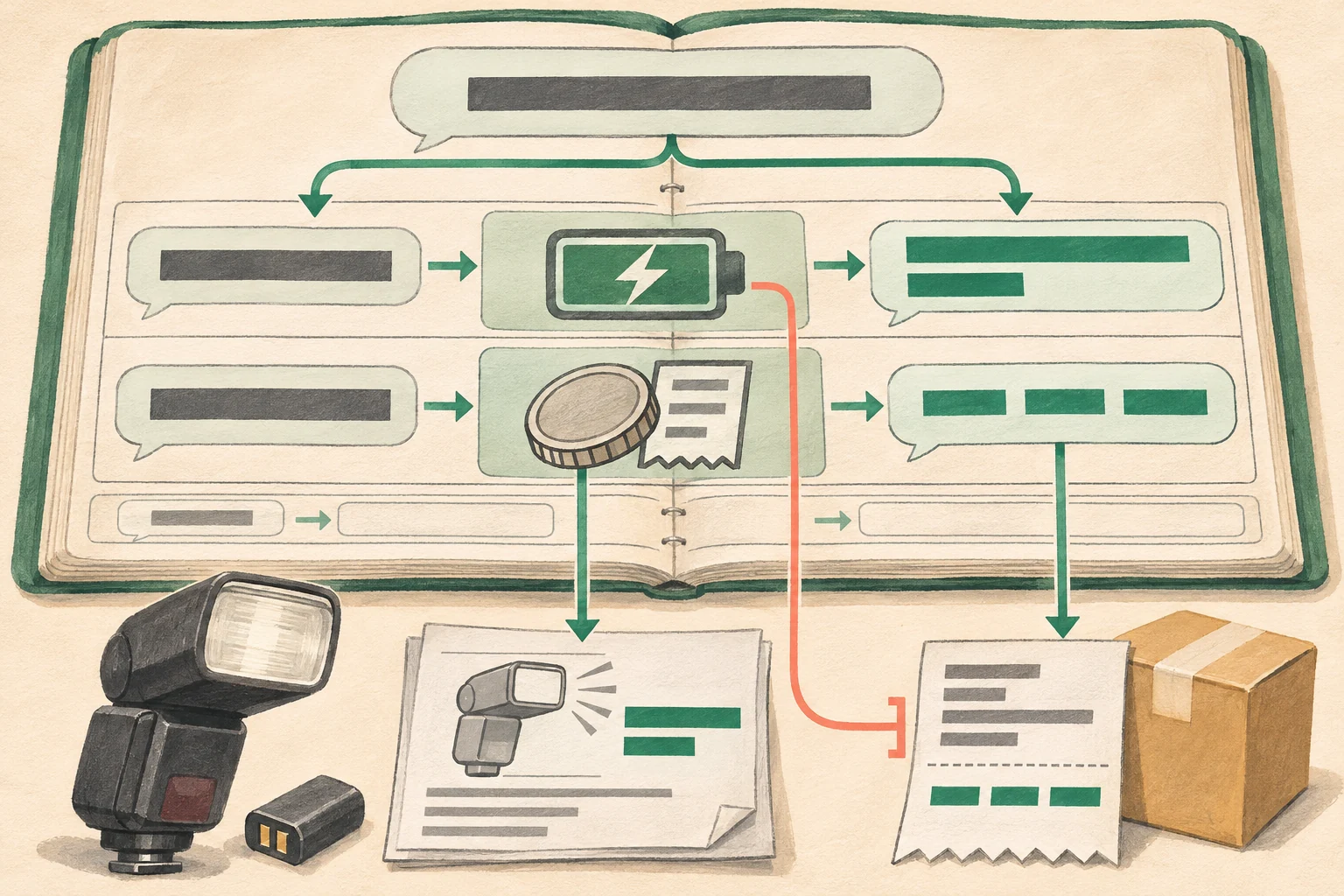
A glossary helps standardize names for parts, operations, and services. However, a rule mapping charge to the Russian word for battery charge can damage a receipt translation referring to a fee. For a translation application developer, the useful preparation output is a set of records specifying each meaning and its conditions of use.
Google Cloud Translation documentation lists ambiguous words and domain terminology among glossary use cases. This describes the purpose of a particular provider’s tool. The record with applicability conditions proposed below is an independent working method for preparing translation materials.
Start with a small group of disputed expressions from your project’s source texts. Keep the surrounding sentence and document name alongside each expression. Establish which meanings actually occur. Even within one rental business, technical instructions and delivery calculations require different terminology decisions.
Record meanings and permitted forms
Create a separate record for each meaning: record identifier, source expression, short definition, preferred translation, scope, exclusions, and permitted grammatical forms. Add a source sentence and the person who approved the choice. Identical spelling alone does not establish a word’s meaning.
W3C ITS 2.0 allows a term to be associated with a definition, while localization notes provide explanations, including meaning and context. You can adapt this idea to an ordinary preparation table, keeping each explanation connected to its particular expression.
Specify how strictly the form must be preserved. A command name may require an exact interface match, while a noun in instructions needs grammatical inflection. If a particular synonym is prohibited, explain why: perhaps it identifies a different service. This gives the editor a checkable restriction.
Example: battery charge and delivery charge
Fictional example: a team is translating a flash rental service’s texts into Russian. Its instructions say “Check the battery charge.” The approved example translation is “Проверьте заряд аккумулятора.” A receipt says “The delivery charge is shown separately,” translated as “Плата за доставку указана отдельно.” These are constructed examples, not model test results.
Define battery charge as information about how charged the battery is. Its scope covers technical instructions and equipment status. Give delivery charge a different definition: the amount payable for delivering an order. List the neighboring meaning in each record’s exclusions. The document name helps select a rule, but the content must provide the deciding evidence.
A third string, “Check the charge,” remains ambiguous without surrounding information. Mark its source record as requiring clarification of what should be checked. The broad instruction “these are rental texts” does not resolve this. Once the author confirms the meaning, connect the string to the appropriate record; until then, its translation remains unapproved.
Assemble the translation package
Include the translation direction, relevant terminology records, source sentences, and short descriptions of their purpose. For a short string, add neighboring text or an author’s explanation. When combining material from several documents, preserve each fragment’s document association: a shared project topic does not establish a shared word meaning.
Set an application order: identify the meaning from the content, select its record, then fit the translation grammatically into the sentence. Check a more specific expression as a whole. A rule for battery charge must not automatically extend to the verb phrase charge the battery: the action needs its own record.
When using a text model through SeaGenera’s Playground or API, include these records in the task text as translation guidance. Keep the sources, records, and expected answers in your own project. You can prepare the package and diagnostic cases manually, without calling a model.
Check correct use and inappropriate substitutions
Prepare six diagnostic cases: two sentences about battery charge, two about delivery fees, one containing the verb phrase “Charge the battery,” and the ambiguous “Check the charge.” Write expected behavior beforehand. Add a separate verb record with the approved example form “Зарядите аккумулятор.”
For each completed translation, record the selected meaning, the form used, and the evidence supporting that choice. Count missing required terms separately from terms applied from an unrelated record. For the ambiguous string, check that uncertainty is preserved and context requested. Matching one reference sentence exactly is unnecessary when permitted forms and meaning are preserved.
Test the review itself using deliberately corrupted examples: insert “заряд за доставку” into the receipt and “дождитесь заряд аккумулятора” into the instructions. The review should detect the substituted meaning and the grammatical error. If both pass, clarify the criteria before evaluating actual translations.
Define the limits of readiness
Six cases check a small set of conditions. They do not establish translation quality across all documentation or reveal behavior in unfamiliar contexts. The reviewer needs to understand both languages and the subject matter. An incorrect glossary definition can propagate the same error across several translations.
When adding a meaning, review overlapping records and repeat checks for related cases. Prepare a separate diagnostic for a paragraph discussing the battery and delivery together. Keep the glossary version with its examples; otherwise, establishing which rules governed a particular translation will be difficult.
For this training package, a local readiness rule can require five unambiguous cases to convey approved meanings using permitted forms, while the sixth remains unresolved pending context. The completed package contains records, exclusions, diagnostic sentences, and expected behavior. This acceptance decision covers terminology in the checked package; other translation properties need their own checks.