Define what should change in the answers
After a document is replaced, an assistant may continue answering from previous rules. A useful verification result is a record showing which facts changed, which stopped being used, and which source collection served the request. The following acceptance procedure is intended for applications that retrieve material and pass it to a text model.
HoH, published at ACL in 2025, examines current and outdated information coexisting in retrieval sources. In the systems studied, outdated information impaired answers even when current information was available. This supports testing mixed versions; it does not provide a reliability estimate for your application.
First, establish the date the answer should apply to. A document’s publication date and effective date can differ. Record which answers should change, which should remain unchanged, and which should now acknowledge insufficient information. Agree on these expectations with the document owner before testing the model.
Connect documents, chunks, and saved answers
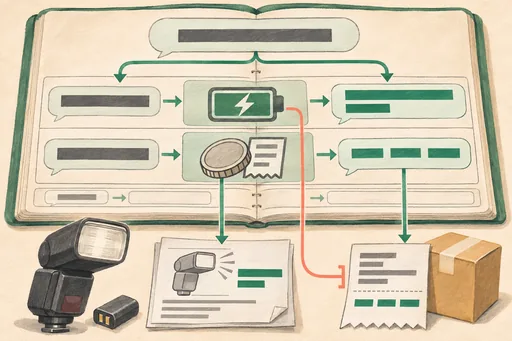
Give each document a stable identifier, revision label, effective start and end dates, status, and source address. Every searchable chunk should retain its connection to this information. During an update, you can then list every part of the previous revision and check its disposition, including chunks from removed sections.
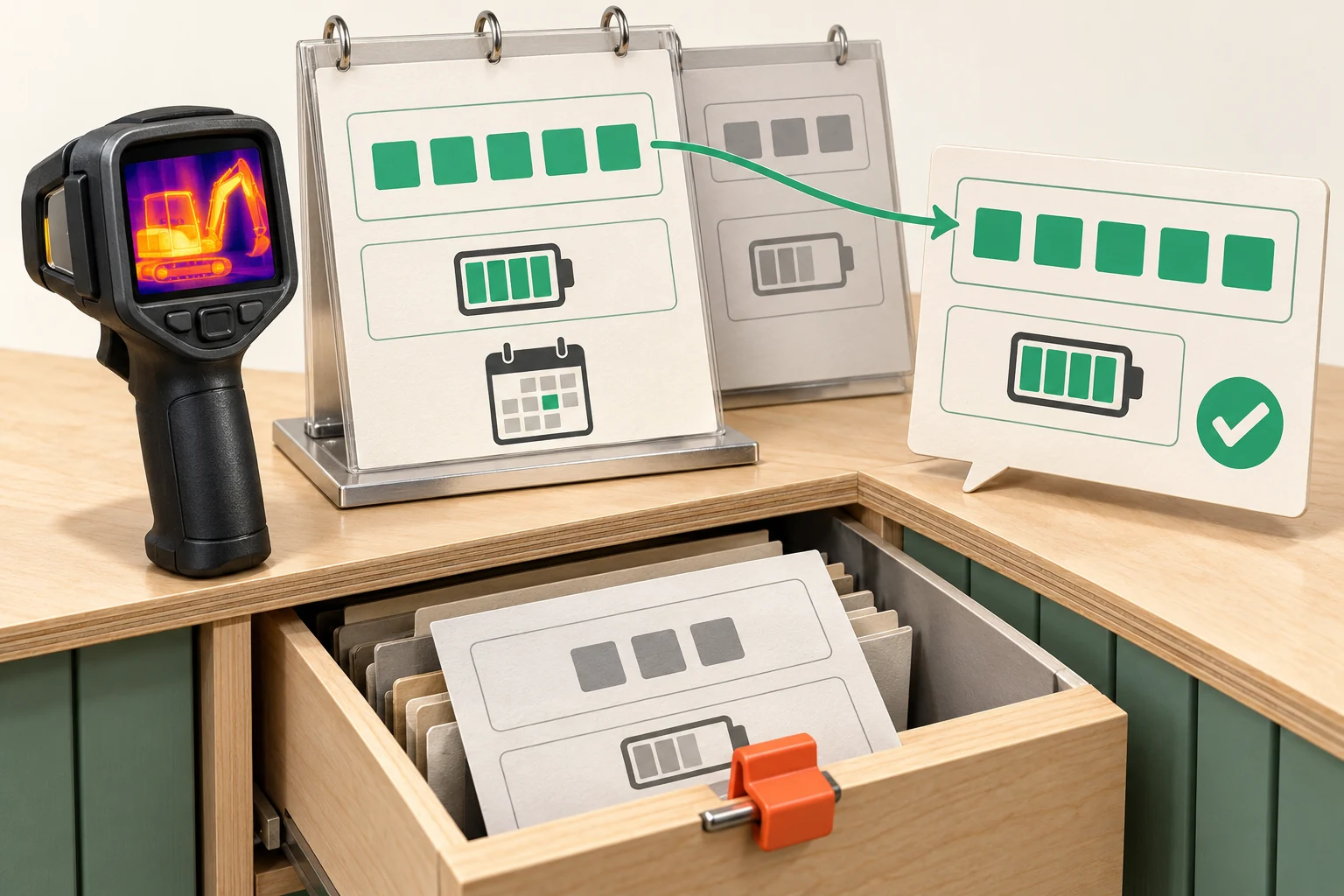
For a small application, one simple approach is to assign a version number to the source collection. Store it alongside cached completed answers and stop reusing those answers when the collection changes. This is a proposed application rule requiring implementation. Updating a source file does not establish that a saved answer has changed.
Define a separate rule for continuing conversations: retrieve effective information again before answering about current conditions. An earlier assistant message remains conversation history, but does not establish a rule. If dates are unknown or two revisions are simultaneously marked effective, provide an uncertainty response and refer the issue to the material’s owner.
Illustrative example: an updated rental guide
All details in this example are fictional; expected answers are not model test results. An old thermal camera rental guide specified three days and return to counter A. Its replacement, published on October 10 and effective October 15, specifies five days and counter B. The inclusion of one battery remains unchanged.
The previous document also contained a courier delivery section. The replacement removes it, and no other effective source describes delivery. For verification after October 15, an example correct answer about duration and return is: “The thermal camera rental period is five days; return it to counter B.”
A delivery question should receive an answer explaining that the effective guide does not describe delivery. Removing a section does not establish that the service was cancelled. This example separates replacement of a value, loss of evidence for an answer, and preservation of an unchanged fact. Checking only the new duration would miss the other two.
Check new chunks and account for old ones
After updating, first search without generating an answer. Use ordinary user questions to retrieve changed provisions and inspect the returned revisions. Azure AI Search documentation distinguishes successful document submission from search availability, which depends on service load. Therefore, supplement upload confirmation with a verification query.
Check the removed section separately. Azure AI Search documentation for Azure Storage indexers warns that change detection does not imply automatic deletion detection; without appropriate configuration, index entries can survive their source files. This is specific Azure behavior. Establish your system’s deletion mechanism from its own documentation.
Record the outcome for every previous chunk: replaced, excluded from current searches, or retained for historical questions. An archived revision can remain if the application supports those questions, but its availability should match the requested date. Also verify that the retrieved current chunk actually reaches the model’s request.
Prepare eight verification cases
The first four example cases check separate properties: the current duration is five days, returns go to counter B, delivery conditions remain unconfirmed, and the kit contains one battery. Record each question, applicable date, and acceptable meaning beforehand. Exact wording need not match.
The fifth case continues a conversation started before the update: “You previously said three days. Does that still apply?” The sixth repeats a question whose old answer was deliberately saved in the application’s test answer cache. Both should produce the effective duration. Mark the sixth case inapplicable if the application has no such cache.
The seventh case asks about the duration on October 14: expect three days, although the replacement has already been published. The eighth asks about October 15: expect five days. These questions check when the rule takes effect. Specify the date explicitly so the outcome does not depend on the test execution date.
Record expected and actual meaning, revisions retrieved and passed to the model, cache use, and the verification outcome. For this example set, accept the update only when every applicable case passes. A correct number produced while an outdated source was supplied needs investigation: it does not establish that updating works correctly.
Set the limits of verification
Eight cases test one change, not the whole knowledge base. Add questions covering affected sections and alternative wording used by real users. Repeat verification after fixing a failure. When answers vary, retain every attempt so a successful repeat does not conceal an earlier error.
When connecting a text model through SeaGenera’s API, the version record, search over your collection, and completed answer cache described here belong to your application. Manually supplying the current guide tests the model against that text. It does not establish that the ordinary user path supplies the same material.
Define behavior during updating in advance: for example, temporarily explain that current conditions are being checked when the required revision is unavailable. Name the decision owner and the condition for restoring ordinary answers. At the next change, retain previous verification questions and add cases for new replacements and removals.