Identify which decisions have changed
After instructions are updated, readers need to know what to do differently: where to send a request, what information to prepare, and which deadline to follow. AI can produce a preliminary comparison of two versions. The practical deliverable is a list of changes linked to source sections and a short notice for people familiar with the previous rules.
Start with an ordinary text comparison. Microsoft describes a comparison feature in desktop Word for Windows: differences can be displayed at word or character level, and the results appear in a new document by default. Choosing that destination leaves the original documents unchanged.
Then ask a separate question about the consequences of the edits. For each difference, establish whether the action, participant, mandatory condition, deadline, or exception changes. Moving a paragraph may preserve the rule, while replacing one word can alter the procedure.
Prepare an unambiguous pair of versions
Label the documents version A and version B. Record their titles, version numbers, and status: approved instructions or a draft. Separately preserve the effective date, if provided. A file’s save date does not, by itself, establish when its rules apply.
Provide both versions with headings and section numbers. Preserve footnotes, table captions, and surrounding sentences that determine a condition. After copying, check for missing negatives, time units, or relationships between columns. Preparation errors become part of the material the model compares.
If you must divide the documents, match sections by the subject of the rule. An old provision may acquire a different number or several continuations. Keep a record of reviewed sections and identify appendices still outside the comparison. Conclusions about an excerpt must remain limited to that excerpt.
Request individual change records
Example prompt: “Compare versions A and B in terms of user actions. For each substantive change, identify the old section, new section, previous rule, new rule, affected participants, and applicability condition. Separately list relocations and editorial changes that leave the action unchanged. Do not explain the reasons for the update unless the documents provide them.”
Request a separate record for each change. For example, a different recipient and a shorter deadline should have individual records even if they appear in one sentence. This makes completeness easier to check and lets you correct a specific error without rewriting the entire answer. Include a field for questions requiring clarification.
Distinguish “added,” “removed,” and “match not established” when there is no corresponding passage. The last label means the mapping needs review. If a provision disappears from one section, ask for a check of the other supplied sections and appendices before treating it as withdrawn. Leave an unspecified effective date unknown.
Work through a fictional example
Illustrative example: the instructions for booking a rehearsal room are changing. In version A, section 2 requires requests by email at least 24 hours before the session begins. Section 4 requires confirmed bookings to be cancelled by emailing the administrator. All conditions and dates in this example are fictional.
In version B, section 3 requires requests submitted from November 1 onward to use a form at least 48 hours before the session and include the participant count. Section 7 preserves the previous rules for requests submitted before November 1. The requirement to cancel confirmed bookings by emailing the administrator moves verbatim to section 6.
The reference answer for this example contains three changes: submission channel, minimum notice, and a required field. Each applies to requests submitted from November 1 onward. The transition condition is recorded separately. The cancellation rule is marked as relocated. A statement that “all correspondence now goes through the form” would contradict these sources.
Check completeness in both directions
First, work from the change records back to the originals. Locate both passages supporting each conclusion and read their surrounding text. Check the participant, action, deadline, and scope. For an added requirement, confirm that it was actually absent from the supplied old version.
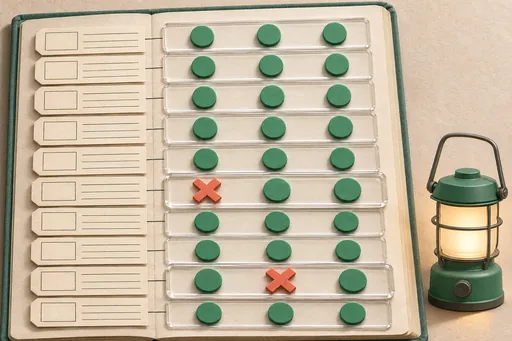
Next, work from the ordinary text comparison to the records. Every highlighted difference needs an explanation: substantive change, relocation, formatting, or unresolved question. This pass helps reveal omissions that reading only a polished AI answer would miss. Pay particular attention to numbers and exceptions.
Test decisions using situations from the illustrative example. A request submitted on November 2 for the same time on November 3 meets the old 24-hour requirement but fails the new 48-hour requirement. A request submitted on October 31 for November 2 follows the old rules. Both versions require confirmed bookings to be cancelled by emailing the administrator.
Prepare the notice and preserve its limitations
Example notice after verification: “For requests submitted from November 1 onward, use the form at least 48 hours before the session and include the participant count. Earlier requests retain the previous rules. Continue cancelling confirmed bookings by emailing the administrator.” Keep the version numbers and references to the relevant sections alongside it.
NIST AI 600-1 describes the risk of confidently presented erroneous content and recommends checking sources and citations in AI outputs. A quick follow-up request to the same model therefore cannot replace source comparison. For this editorial task, a second reader can check the notice against both versions.
The method is limited to the supplied material. An unreadable footnote, missing appendix, or unconfirmed version status leaves a gap in the result. Refer significant uncertainties to the instruction owner and retain them in the records. After further document edits, recheck the affected changes and notice: the previous approval covered a different pair of versions.