Blog — Page 4
Ideas, practical guides and researched articles about artificial intelligence.
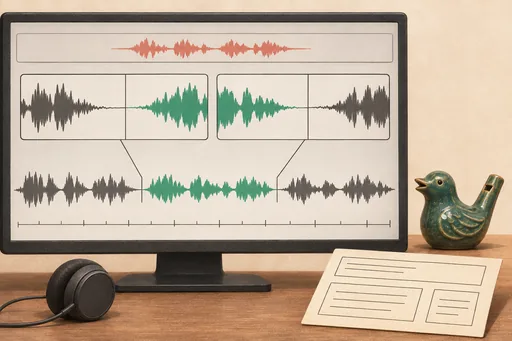
How to replace a phrase in AI narration and check the joins
How to choose replacement boundaries in finished narration, match the delivery, and check changes in duration. A fictional audio guide example demonstrates an edit record and an acceptance process based on listening to the exported file.
Read article ↗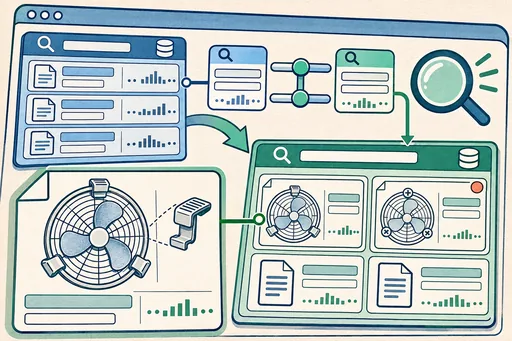
How to switch embedding models and verify your search index
How to prepare a separate search index generation, preserve vector-to-document links, and switch query processing consistently. An illustrative example helps verify integrity, retrieval of required instructions, and rollback.
Read article ↗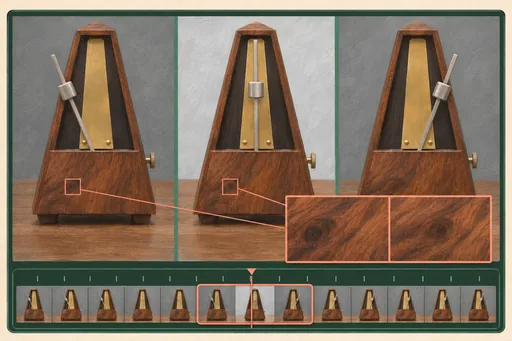
How to check flicker in AI video and choose a repair
How to detect unstable brightness and shimmering textures, compare the original clip with an export, and verify a repair. A fictional metronome example helps map defects and choose between processing, trimming, and generating another clip.
Read article ↗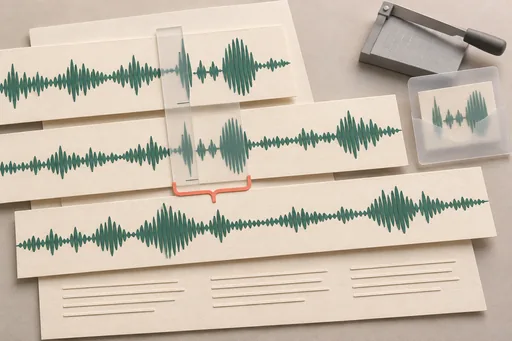
Deepgram: Nova-3 — joining audio transcripts without duplicate speech
A practical review using an illustrative long recording: prepare overlapping chunks, configure requests, and verify the joins. Covers SeaGenera limitations, the conditional availability of timestamps, and the cost of submitting overlapping audio.
Read article ↗
How to check which button AI selected in a screenshot
How to connect AI advice to a specific interface control, detect confusion between similar buttons, and check the action’s result separately. A fictional card editor demonstrates a verification record and the limits of screenshot analysis.
Read article ↗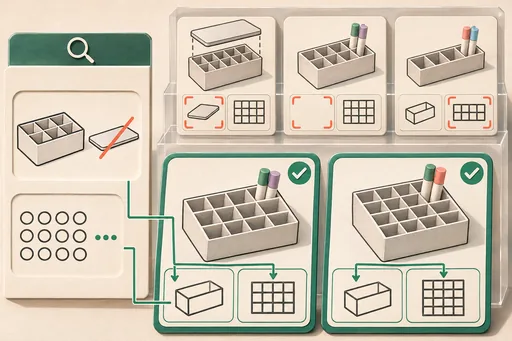
How to preserve mandatory conditions in AI catalog search
How to turn negations and numerical requirements into testable fields, handle unknown attributes, and detect losses after filtering. A fictional organizer catalog helps define eligibility rules and manually check search results.
Read article ↗
How to turn “tomorrow” in a message into an exact date with AI
How to preserve a relative deadline’s reference point, distinguish deadlines from periods, and verify calendar dates. A fictional conversation about a window display demonstrates deadline records and reveals values that cannot yet be calculated.
Read article ↗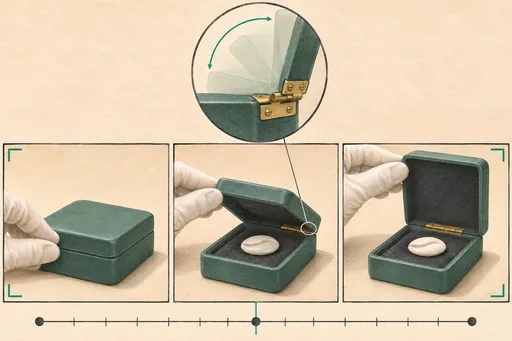
Google: Veo 3.1 Fast: opening a case between two guide frames
A practical review using an illustrative case-opening scene. Two prompts and checks on intermediate frames help assess the lid’s motion. Covers SeaGenera settings, a discrepancy concerning 4K, mode limitations, and cost calculation without paid tests.
Read article ↗
How to get distinct approaches to one task from AI
How to set shared constraints, detect conceptual duplicates among AI ideas, and select approaches for practical testing. A fictional book exchange club example helps produce three distinct proposal cards and check their feasibility.
Read article ↗
How to prepare synthetic customer requests for testing an AI application
How to create test requests from scenario descriptions without sending original customer messages to a model. A fictional suitcase repair workshop illustrates scenario specifications, checks on inputs and reference answers, and the limits of conclusions drawn from synthetic data.
Read article ↗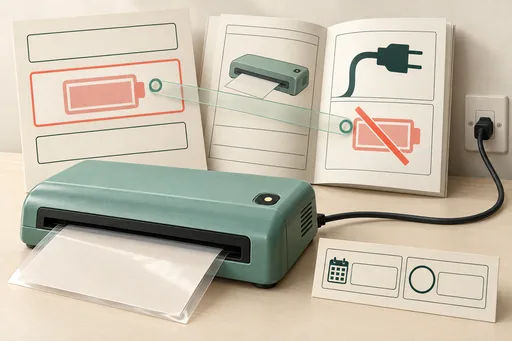
How to check hidden assumptions in a question to AI
How to identify claims that a question takes for granted and check them before preparing an answer. A fictional laminator example demonstrates a premise register, a corrected question, and checks for answer consistency.
Read article ↗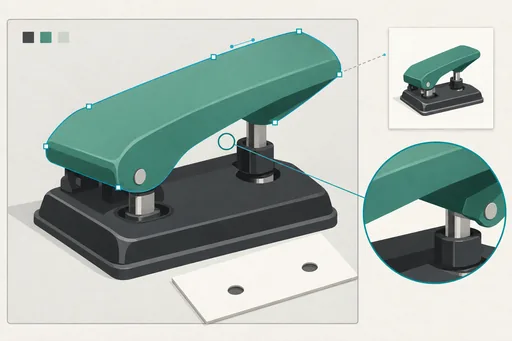
Recraft: Recraft V4.1 Pro Vector — preparing an SVG for a small catalog card
A practical review using an illustrative hole punch graphic: two prompts, vector object checks, recoloring one part, and inspection at a small size. Covers SeaGenera settings, reference limitations, and billing principles without paid generations.
Read article ↗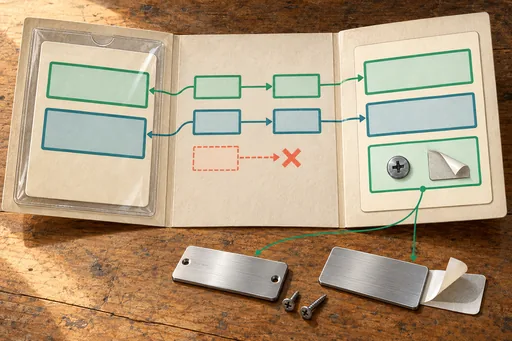
How to change an AI JSON response schema and preserve compatibility
How to add or rename AI response fields, keep older records readable, and prepare a rollback. A fictional door sign order demonstrates a migration plan and compatibility checks for two versions.
Read article ↗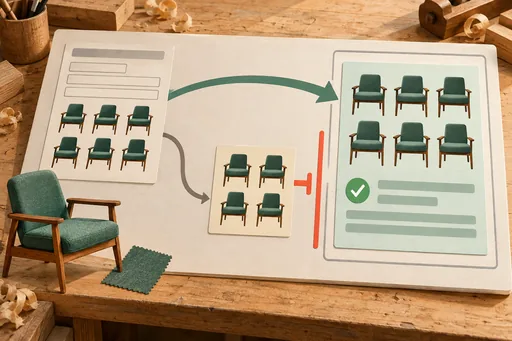
How to prevent a late AI response from overwriting newer data
How to link an AI attempt to its source revision, reject stale results, and preserve manual edits. A fictional chair reupholstery order demonstrates a result application policy and checks that require no paid generations.
Read article ↗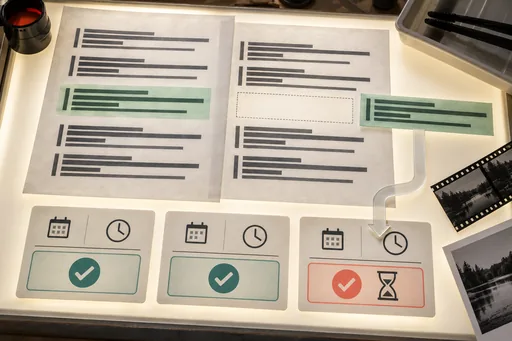
How to test whether a rule can be removed from an AI prompt
How to compare an original prompt with a copy missing one block and decide whether to shorten it. A fictional darkroom booking example demonstrates behavior checks, regression analysis, and the limits of successive deletions.
Read article ↗
How to align human reviews of AI text responses
How two reviewers can independently assess the same responses, investigate disagreements, and clarify acceptance rules. A fictional notification about collecting art prints demonstrates how to create a review log and test the revised rules.
Read article ↗
How to test AI translations of dynamic interface messages
How to preserve variables, test plural branches, and detect incorrect message selection. A fictional file upload example helps build a message specification and a set of application checks.
Read article ↗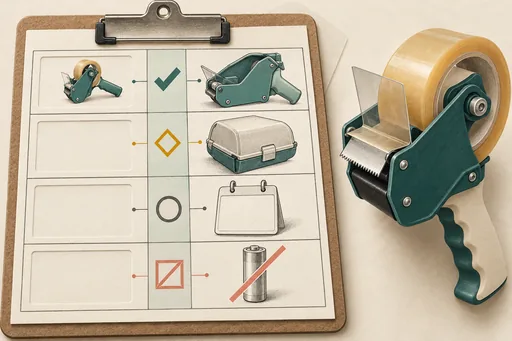
Zero, unknown, or not applicable: how AI should fill in fields
How to distinguish a stated value, no mention, an unknown value, and an inapplicable field when extracting data. A fictional tape dispenser record helps define field states, verify supporting evidence, and preserve these distinctions during transfer.
Read article ↗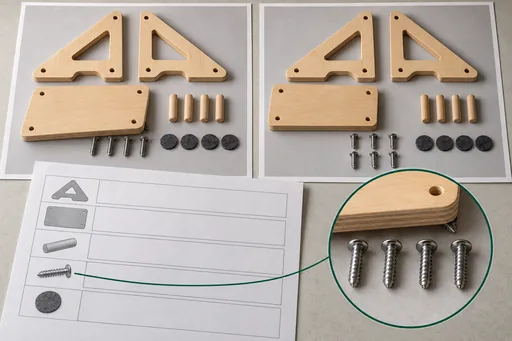
Mistral: Mistral Large 4: checking photographed parts against a kit list
A practical review using a fictional wooden stand kit. Two prompts help create a record of visible parts and distinguish an obscured object from a shortage. Covers answer verification, SeaGenera settings, reasoning limitations, and pricing principles without paid testing.
Read article ↗
How to check whether AI mixed up data from several requests
How to preserve each request’s information when processing several texts in one prompt. A fictional music box workshop example demonstrates field checks, tests with reordered documents, and a batch acceptance rule.
Read article ↗
How to check whether an AI test gives away the answer
How to reconstruct the input available when a decision was needed and detect answers hidden in administrative fields. A fictional umbrella repair request demonstrates a field register and request assembly checks that require no model calls.
Read article ↗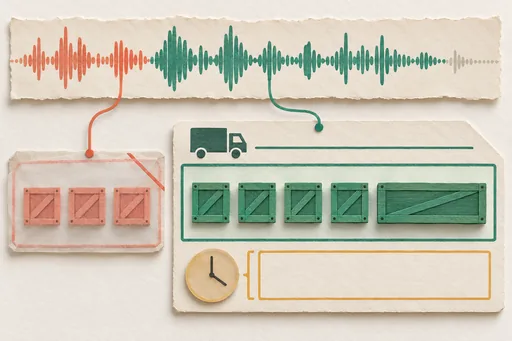
How to extract final data from speech containing self-corrections
How to identify which value a speaker replaced, what they added, and what remains undecided. A fictional transport request demonstrates how to create a change record and verify each correction’s scope against the recording.
Read article ↗
Qwen3 Reranker 8B: checking the order of retrieved documents
A practical review using a fictional search for printer instructions. Covers requests, SeaGenera API settings, checking the first three results, relevance score limitations, and token billing principles without paid model runs.
Read article ↗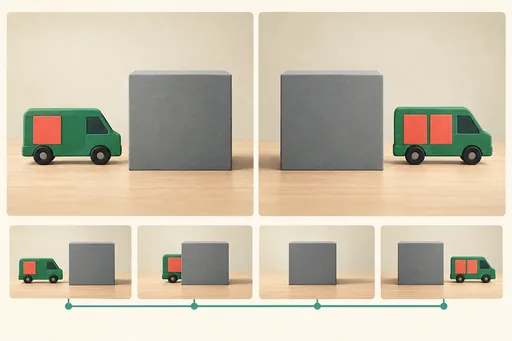
How to check whether an object changes identity in AI video
How to check an object that disappears behind an obstacle and reappears within one video shot. An illustrative toy van example helps identify defining features, detect substitutions, and create a review record for the finished clip.
Read article ↗