Blog — Page 5
Ideas, practical guides and researched articles about artificial intelligence.
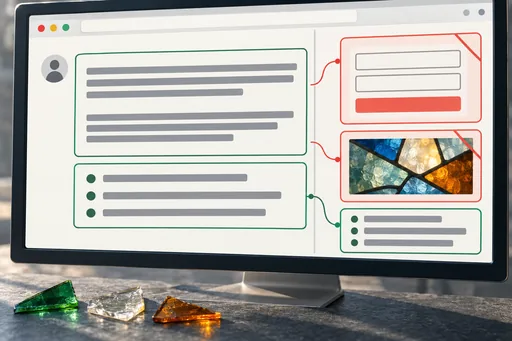
How to safely display AI answers in a web application
How to define permitted formatting for AI answers, restrict links and embedded elements, and inspect the finished page. A fictional example featuring a fake login form helps build a rendering policy and a test set.
Read article ↗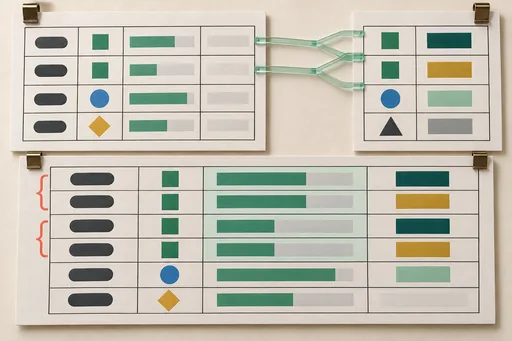
How to check a join between two tables with AI
How to check keys, detect multiple matches, and preserve unmatched orders. A fictional example shows why joining tables can inflate a total and how to build a matching record before drawing analytical conclusions.
Read article ↗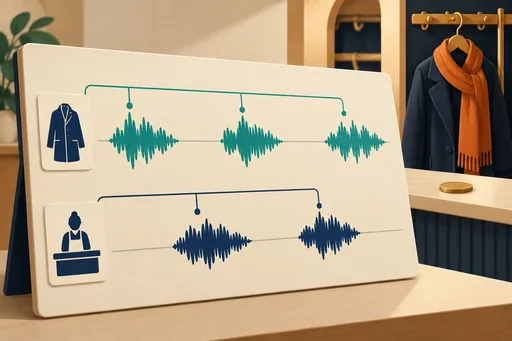
Google: Gemini 3.8 Flash TTS: a two-voice dialogue for training audio
A practical review using a fictional coat-check conversation. Two request examples help prepare an audio scene, preserve speaker roles, and check turn order. Covers SeaGenera settings, limitations, and pricing principles without paid testing.
Read article ↗
How to check unit conversions in an AI answer
How to check formulas, dimensions, and rounding when AI converts product specifications. A fictional example helps distinguish temperature from temperature change, detect an area conversion error, and preserve ambiguous values without guessing.
Read article ↗
How to test document access permissions in AI search
How to build an access matrix, prepare fictional documents, and check results for different users. An illustrative example helps detect leaks through model context, cached answers, and source links.
Read article ↗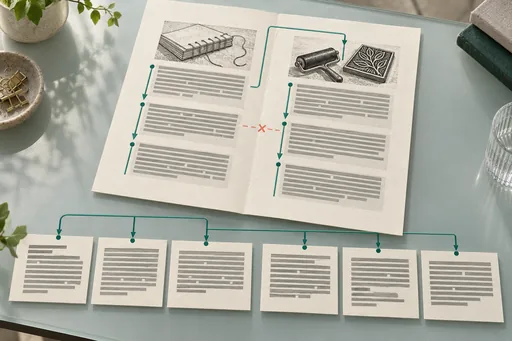
How to check PDF reading order before AI analysis
How to detect interleaved columns, map text blocks, and verify a working copy of a document. A fictional brochure featuring two workshops demonstrates acceptance rules and the limits of checking selected pages.
Read article ↗
SpaceXAI: Grok Imagine Video 1.5 Lite: checking a lateral camera move
A practical review using an illustrative exhibition stand preview. Two prompts, a parallax check, and an acceptance rule help assess camera movement; also covers SeaGenera settings, limitations, and pricing principles without paid tests.
Read article ↗
How to test an AI classifier’s rare category
How to prepare a sample of everyday requests and a separate collection of rare cases, review labels, and count missed detections. An illustrative print shop example shows why high overall accuracy does not guarantee useful classification.
Read article ↗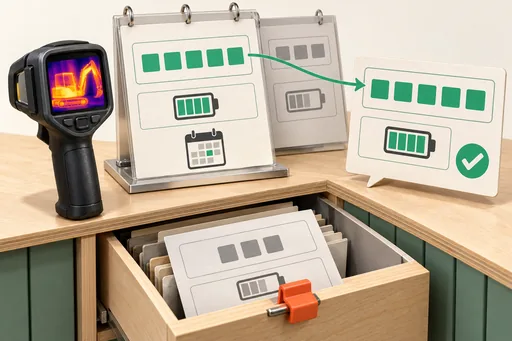
How to verify an AI assistant’s knowledge base update
How to check that an assistant uses changed information, stops repeating removed information, and respects a document’s effective date. A fictional thermal camera rental example helps test the search index, cached answers, and conversations started before an update.
Read article ↗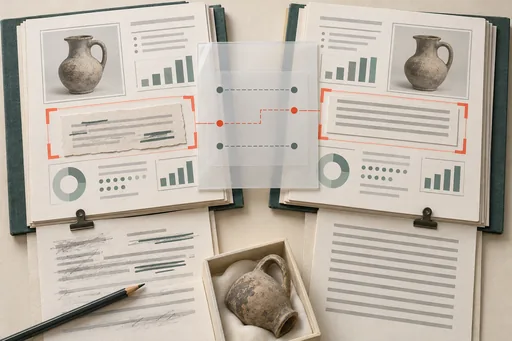
How to check whether research results in an AI answer can be combined
How to compare samples, metric definitions, and evaluation stages before drawing a shared conclusion. A fictional museum description example helps build a comparison record and correct a synthesis that the reported numbers do not support.
Read article ↗
When AI should clarify a task and when it should continue
How to identify necessary clarifications, permit safe assumptions, and check how a conversation continues. A fictional photo album digitization request helps define an AI clarification policy and six verification scenarios.
Read article ↗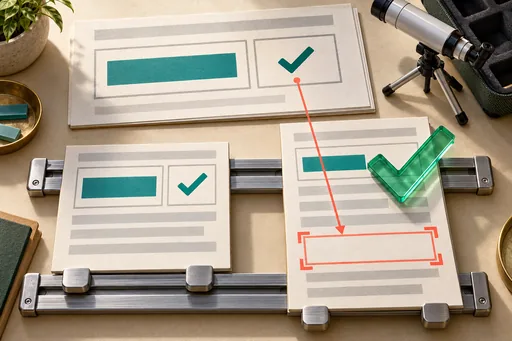
How to check an AI judge before automatically accepting answers
How to prepare reference labels for a model evaluator, check presentation effects, and measure false acceptances separately from false rejections. A fictional telescope rental example helps build a judge reliability record and define its permitted use.
Read article ↗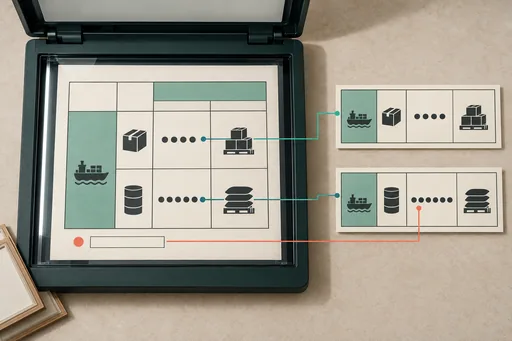
How to check a table extracted from a scan by AI
How to check that values remain connected to their rows, multilevel headers, and footnotes. A fictional packing list demonstrates a review procedure, a quantity cross-check, and acceptance rules for extracted data.
Read article ↗
xAI: Grok Imagine Image 2.0: adapting a landscape scene for a portrait cover
A practical review using an illustrative mosaic workshop scene: when cropping is sufficient, how to request a new composition, and how to check that the action survives. Covers SeaGenera settings, two example requests, limitations, and the cost of attempts with references, without paid testing.
Read article ↗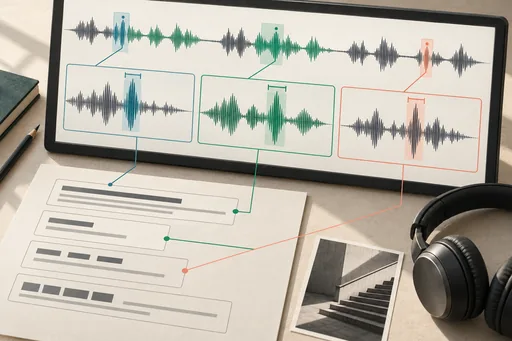
How to check names, abbreviations, and numbers in AI narration
How to create a pronunciation reference, prepare text for speech synthesis, and check what information a listener receives. An illustrative photography club announcement covers a date, surname, abbreviation, distance, and code.
Read article ↗
How to split documents for AI search while preserving exceptions
How to choose chunk boundaries, preserve connections to source documents, and check retrieved evidence for completeness. An illustrative board game rental example shows why rules and exceptions need to be evaluated together.
Read article ↗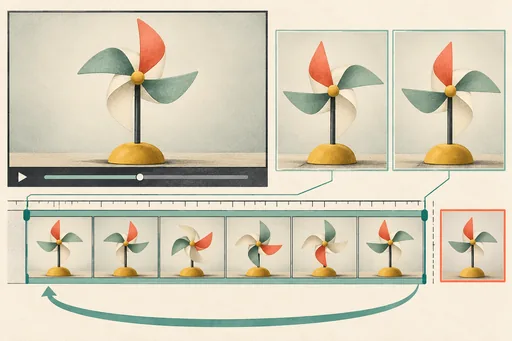
How to check and fix the seam in a looping AI video
How to find a repeating motion phase, trim an existing clip without an extra frame, and check its return to the beginning. An illustrative windmill example explains duration calculations, motion speed checks, and the limits of editing.
Read article ↗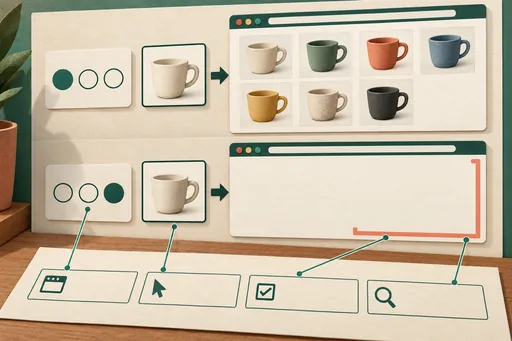
Tencent: Hy4 preview: turning a UI complaint into a bug reproduction test
A practical review using a fictional filtering and pagination bug. Two prompts help prepare a manual test; covers response evaluation, SeaGenera settings, model limitations, and pricing principles without paid model runs.
Read article ↗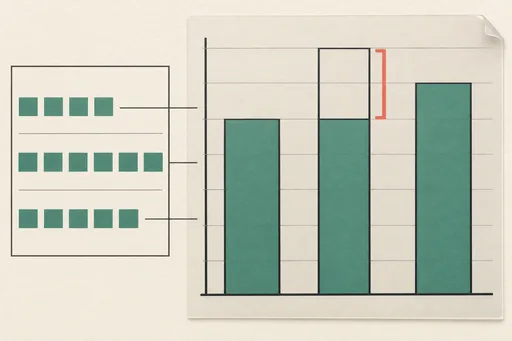
How to check an AI chart: numbers, scales, and bar heights
How to compare a generated chart with its source data and find errors hidden behind correct labels. An illustrative example demonstrates bar height calculations, checks on the finished file, and the limits of manual review.
Read article ↗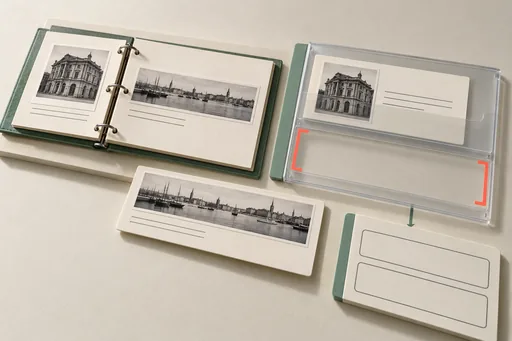
How to locate an error in a document-based AI answer
How to trace necessary evidence from a document collection to the model’s answer. A fictional photo archive example demonstrates controlled context replacement, an incident record, and verification of a fix before considering a model change.
Read article ↗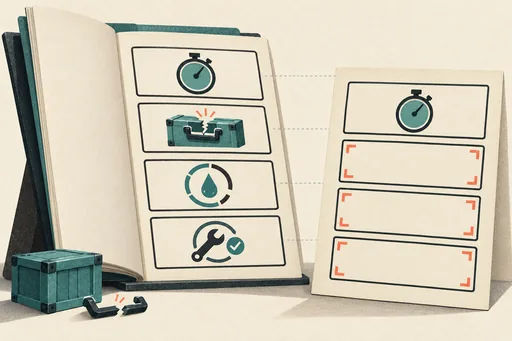
How to check an AI summary for missing information
How to develop questions from a source, check answers using only the summary, and record omissions. A fictional packaging report illustrates essential information checks, revisions, and the procedure’s limitations.
Read article ↗
Perplexity: Decider V1.1 27B: checking whether an announcement is ready for editing
A practical review of the decision model using an illustrative workshop announcement. Covers three question types, checks for mandatory details, SeaGenera’s available API, limitations, and billing principles without paid model runs.
Read article ↗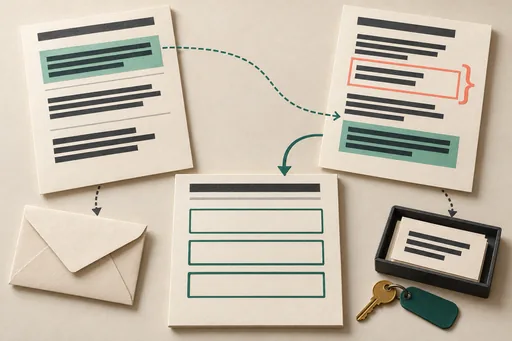
How to compare two versions of instructions with AI
How to list substantive changes, check deadlines and exceptions, and prepare a notice explaining the transition to new rules. A fictional rehearsal room booking example shows how to distinguish a new requirement from a relocated paragraph.
Read article ↗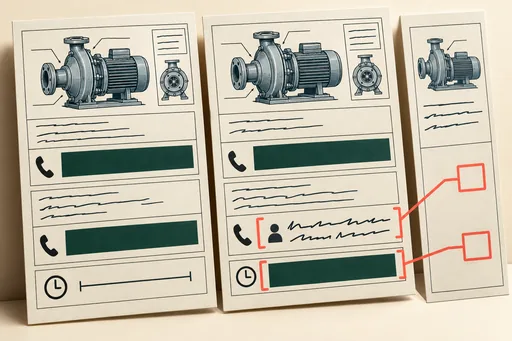
How to test automatic data masking in an AI application
How to prepare fictional requests, measure missed data and unnecessary replacements, and define the limits of automatic processing. An illustrative example covers repeated contacts, preservation of meaning, and what can be observed in SeaGenera.
Read article ↗