Blog — Page 3
Ideas, practical guides and researched articles about artificial intelligence.

VoyageAI by MongoDB: rerank-3-lite — assembling search results without redundant passages
A practical review using a fictional light pad return: how to use reranking, remove redundant passages, and preserve evidence for both parts of a question. Covers evidence coverage checks, SeaGenera API settings, limitations, and billing principles.
Read article ↗
How to test whether an AI draft saves an editor time
How to compare writing from scratch with editing an AI draft to the same acceptance standard. A fictional desktop globe repair workshop illustrates an eight-task allocation, accounting for verification and revisions, and the limits of a small experiment.
Read article ↗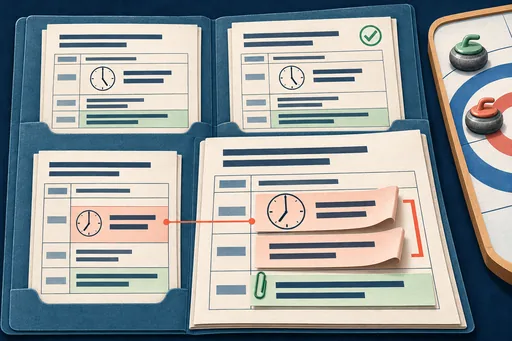
How to update an AI translation after editing the source
How to compare three text versions, find dependent explanations, and update a translation while preserving approved edits. A fictional tabletop curling rental example demonstrates an update package and checks on a changed deadline.
Read article ↗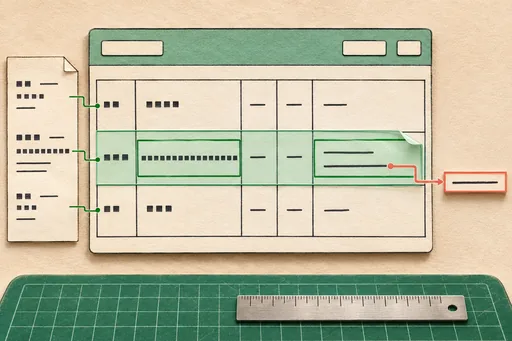
How to check an AI-generated CSV import in Excel
How to preserve codes, long identifiers, and cell boundaries when importing a completed AI response into Excel. An illustrative cutting mat register demonstrates import settings, checks for potential formulas, and verification after saving again.
Read article ↗
Qwen: Qwen-Audio-3.0-TTS Plus: testing a voice menu’s clarity
A practical review using a fictional folding table rental service: two menu scripts, a listener choice test, and an acceptance rule. Covers SeaGenera settings, limitations, and character-based billing without paid generations.
Read article ↗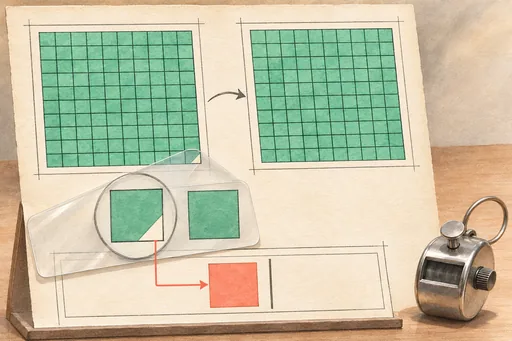
How to check rounding in an AI report
How to separate an original number, its displayed form, and a threshold decision. A fictional handheld counter rental example demonstrates checks on rounded percentages, totals, and boundary values before publication.
Read article ↗
How to test AI search across Russian and English documents
How to prepare comparable instructions, test four language directions, and assess mixed-language results. A fictional brush drying rack example helps build an evaluation matrix and detect retrieval failures across languages.
Read article ↗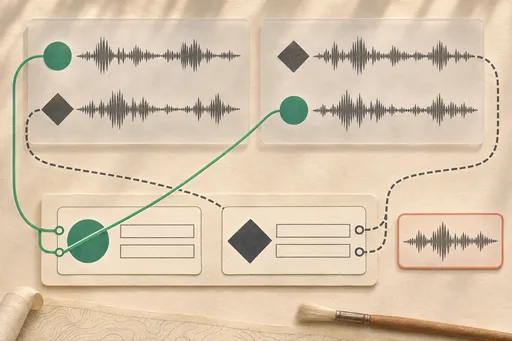
How to keep speakers consistent when combining AI transcripts
How to connect speaker labels from separate files to a shared participant list. A fictional example demonstrates a mapping register, mixed-label handling, and manual checks on the combined transcript.
Read article ↗
Google: Veo 3.1 Lite — checking event order in a single shot
A practical review using a fictional gate-and-marble scene: two prompts, a state map, and a review log help assess event order. Covers SeaGenera settings, mode limitations, and cost calculation without paid generations.
Read article ↗
How to check an AI video’s crop for a vertical screen
How to determine whether an important action fits inside a portrait crop, choose a fixed or moving crop, and check the finished file. A fictional scoop-and-bowl example demonstrates the available-width calculation, crop path checks, and the limits of repairs.
Read article ↗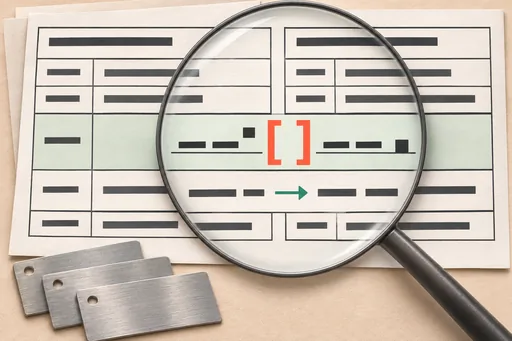
How to normalize text for AI while preserving exact product codes
How to define permitted Unicode transformations for different fields, preserve original strings, and verify data preparation. A fictional calibration plate example shows why similar-looking characters cannot automatically be treated as identical.
Read article ↗
How to check an AI report’s overall rate when the order mix changes
How to distinguish a change in the overall rate from changes within individual groups. A fictional watch repair workshop demonstrates calculation using a fixed order mix, a request to AI, and independent verification of the conclusion.
Read article ↗
How to find duplicate products with AI while preserving distinct variants
How to define product identity, check AI-proposed matches, and prepare records for merging. A fictional bench vise example demonstrates group checks, error calculations, and preservation of source data.
Read article ↗
How to preserve trust boundaries after AI document summarization
How to pass a document summary to another model while preserving its provenance and status as data. A fictional folding screen inspection example demonstrates an intermediate result record and checks requiring no paid generations.
Read article ↗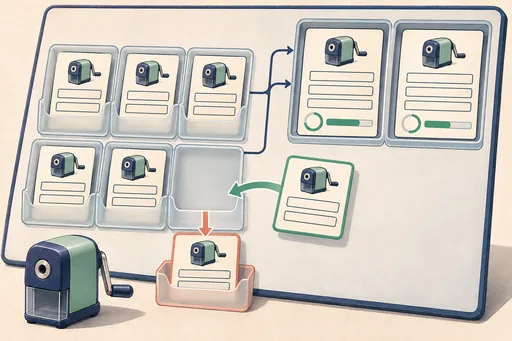
How to bound an AI generation queue and cancel jobs before dispatch
How to separate waiting from execution, limit the backlog, and balance interactive and background requests. A fictional pencil sharpener catalog demonstrates admission rules, cancellation, and queue checks without paid generations.
Read article ↗
OpenAI: GPT Image 2.5 Sunburst — applying a pattern to a lampshade
A practical review using a fictional example: two references help prepare a printed pattern preview on a cylindrical lampshade. Covers prompts, pattern and perspective checks, SeaGenera settings, limitations, and pricing principles without paid generations.
Read article ↗
How to split AI classifier data when requests repeat
How to keep related requests in one dataset partition, separate development from final evaluation, and check for overlap without running a model. An illustrative hand trolley rental example demonstrates a provenance register and the limits of the resulting conclusions.
Read article ↗
How to test whether an AI classifier rejects out-of-scope requests
How to define category boundaries, provide an operator fallback, and measure abstention errors. A fictional binocular repair workshop illustrates checks for unsupported requests and calculations for four metrics.
Read article ↗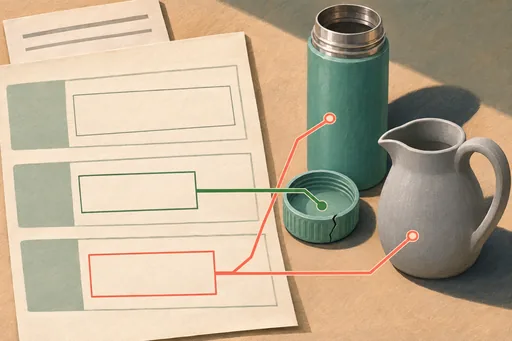
How to check which object AI assigned an action to
How to connect actions in a message to specific objects while preserving ambiguous pronouns. A fictional example involving a thermos and a jug demonstrates a reference record, a two-interpretation check, and an acceptance rule for AI answers.
Read article ↗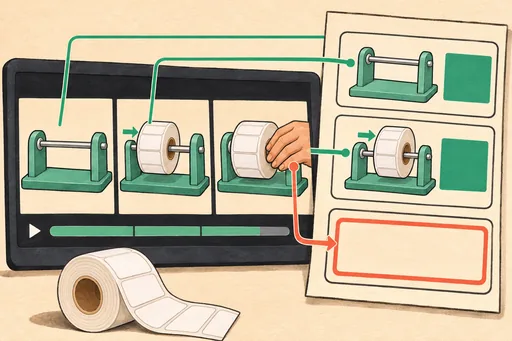
MoonshotAI: Kimi K3 — turning an assembly video into instructions
A practical review using a fictional label roll holder: two prompts help connect instruction steps to visible actions and identify gaps in the demonstration. Covers result verification, SeaGenera settings, reasoning limitations, and pricing principles without paid model runs.
Read article ↗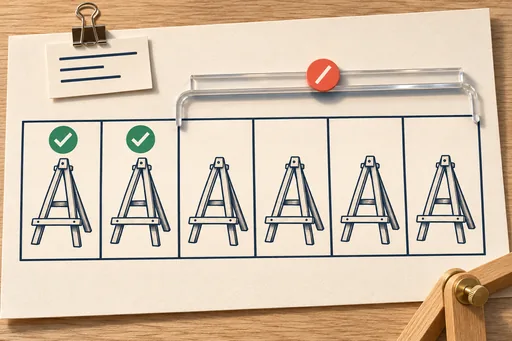
How to check whether AI turned “not all” into “none”
How to check AI conclusions about groups, preserve valid numerical bounds, and detect unsupported claims about specific objects. A fictional note about six easels demonstrates a conclusion record and verification through alternative arrangements.
Read article ↗
How to test an AI semantic response cache for false hits
How to determine whether a stored AI answer fits a similar new question. An illustrative portable display rack example helps define reuse rules, test the influence of context, and measure incorrect cache responses separately.
Read article ↗
How to check an AI image’s transparent background before publishing
How to distinguish actual transparency from a painted background, detect halos, and check gaps between details. A fictional wire whisk example demonstrates testing against three backgrounds, choosing a repair, and checking the exported file again.
Read article ↗
LiquidAI: d1 — handling several requests in one message
A practical review using a fictional projector rental request: identify several requests separately and prepare routing suggestions for an operator. Covers example questions, verification of the complete answer set, SeaGenera API settings, limitations, and pricing principles without paid model runs.
Read article ↗